The first beneficiary has a name
Can you name one real person this helps?
A market is an abstraction. Abstractions do not have Tuesdays. We start each program by writing one real person's day. Their hours, their costs, their workarounds, their words. Every later decision gets checked against that document.
What the practice requires
- A named-day document. One interviewed person, their working day, what the problem costs them in time and money.
- Written from first-person interviews with the people it describes.
- Every member of the build team has met a beneficiary in person before capital commits.
- At each gate the solution is read back against the named day. If it no longer fits, the team says which one is wrong.
- The document is versioned, so drift shows.
Interview discipline
- Ask about their life, not about your idea.
- Ask what they did last time, not what they would do.
- Take commitment and advance as the only reliable signals. Time, reputation, or money.
- A compliment is not data.
Where it goes wrong
- A persona assembled from a deck rather than a person reached by phone.
- Beneficiaries described in aggregate, so no individual can falsify the claim.
- Building for the buyer the team wishes existed.
Measures
- First-person interviews completed before build. A floor, not a target.
- Share of the build team who has met a beneficiary in person. Target 100%.
- Named-day document exists, dated and versioned. Yes or no.
- Gate decisions checked against the named day.
- Advance signals collected. Time committed, money committed, or referrals made.
Three cases
These cases come from the public record: settlements, filings, testimony and the companies' own reporting. Citations are being attached case by case. Good, bad and ugly describe one decision against this one question, not the company as a whole.

d.light and the end of the kerosene lamp
Two Stanford design students designed against a specific household's evening. The cost of kerosene, the hours of light, the smoke. The company's own count runs past 180 million people, and it cash-flows.
Juicero and the $700 bag-squeezer
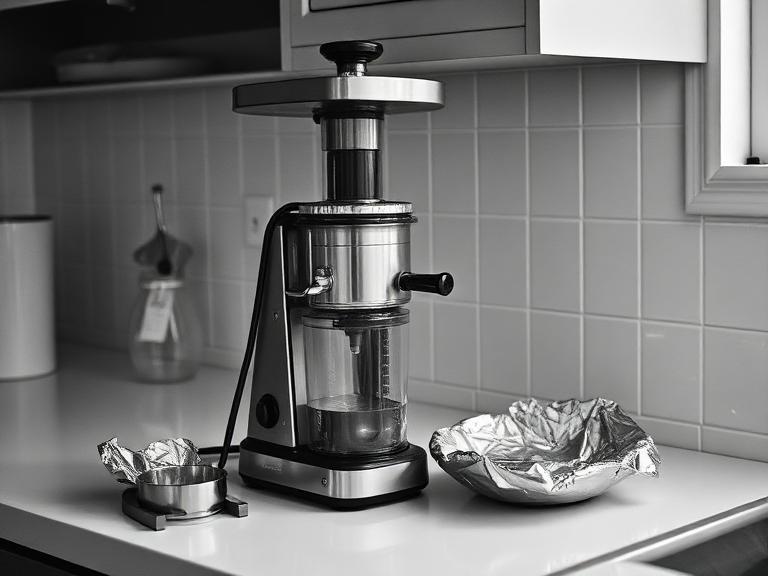
$120 million raised for a Wi-Fi-connected juice press. Bloomberg found the packs could be squeezed by hand. The named day was never written.
Quibi and the 90-second bet
$1.75 billion raised, shut down within the year. Nobody had asked whether phones were how people actually watch shows.
How this one is marked
Green means we have the evidence and it carries a date. Yellow means someone owns the gap and there is a date to close it. Red stops the work until it clears. Early work sits at yellow for a long while, and we mark it that way.