Built with, in the room
Were the people it affects in the room?
Ecosystem problems have participants who never meet. The operator, the financier, the regulator, the clinician, the engineer. The design defect usually sits exactly where two of them would have had to talk. Putting them in one room for days is the method, which is why the model starts by buying the room.
What the practice requires
- Every role the solution depends on is present at each gate, or the gate does not run.
- Sessions are multi-day and residential. A ninety-minute call gets agreement. Design takes days in the same room.
- Decisions are recorded with the roles present. Decisions taken without an affected party are flagged provisional.
- The facilitator is accountable for whether the quiet roles spoke.
Why the campus is a method
- The building is the instrument. Multi-day co-presence with overnight accommodation is a capability.
- That is why property sits inside the model rather than beside it. See Own the ground.
- Bring the work to the team, not the team to the work.
Where it goes wrong
- Consultation as a review step, after the design is expensive to change.
- The loudest role setting the agenda for the roles with least institutional power.
- Treating co-presence as a nice-to-have, then wondering where the integration defects came from.
Measures
- Stakeholder-days on site per program.
- Distinct roles present at each gate, against the roles the solution depends on.
- Share of gate decisions made with every affected role present.
- Speaking distribution across roles, recorded by the facilitator.
- Campus occupancy by program versus third-party booking.
Three cases
These cases come from the public record: settlements, filings, testimony and the companies' own reporting. Citations are being attached case by case. Good, bad and ugly describe one decision against this one question, not the company as a whole.
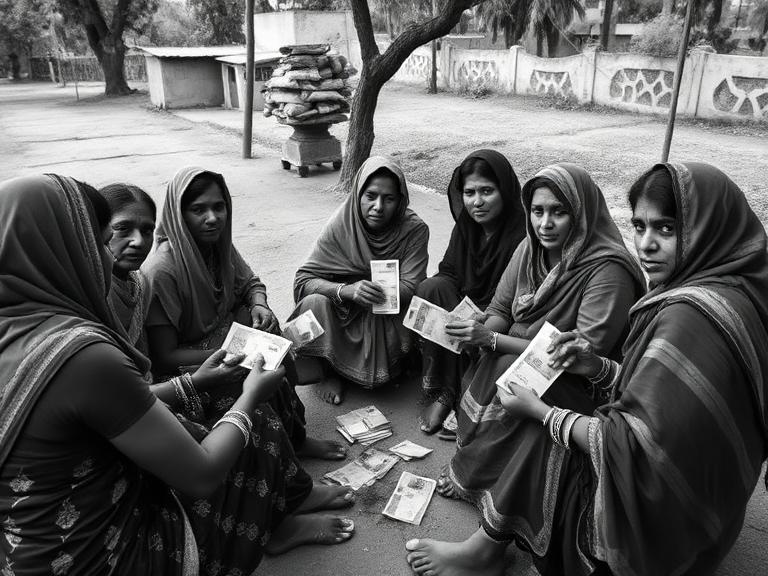
Grameen's second wind
Lending terms shaped in villages by the people repaying them. Serious criticism in the 2010s exposed real weaknesses, and the design loop stayed open. It adapted and kept working.
Away and the Glassdoor reckoning
A $1.4 billion luggage brand whose culture was designed in a chat tool. The Verge reported it, and leadership learned it from the outside.

Boeing's 737 MAX
A flight-control change that did not require new pilot training. Regulators were not told the system could override the pilot. The people who would fly it were not in the room.
How this one is marked
Green means we have the evidence and it carries a date. Yellow means someone owns the gap and there is a date to close it. Red stops the work until it clears. Early work sits at yellow for a long while, and we mark it that way.